Empowering Patients: Your Guide to Oncology, Treatment Options, and Support Communities
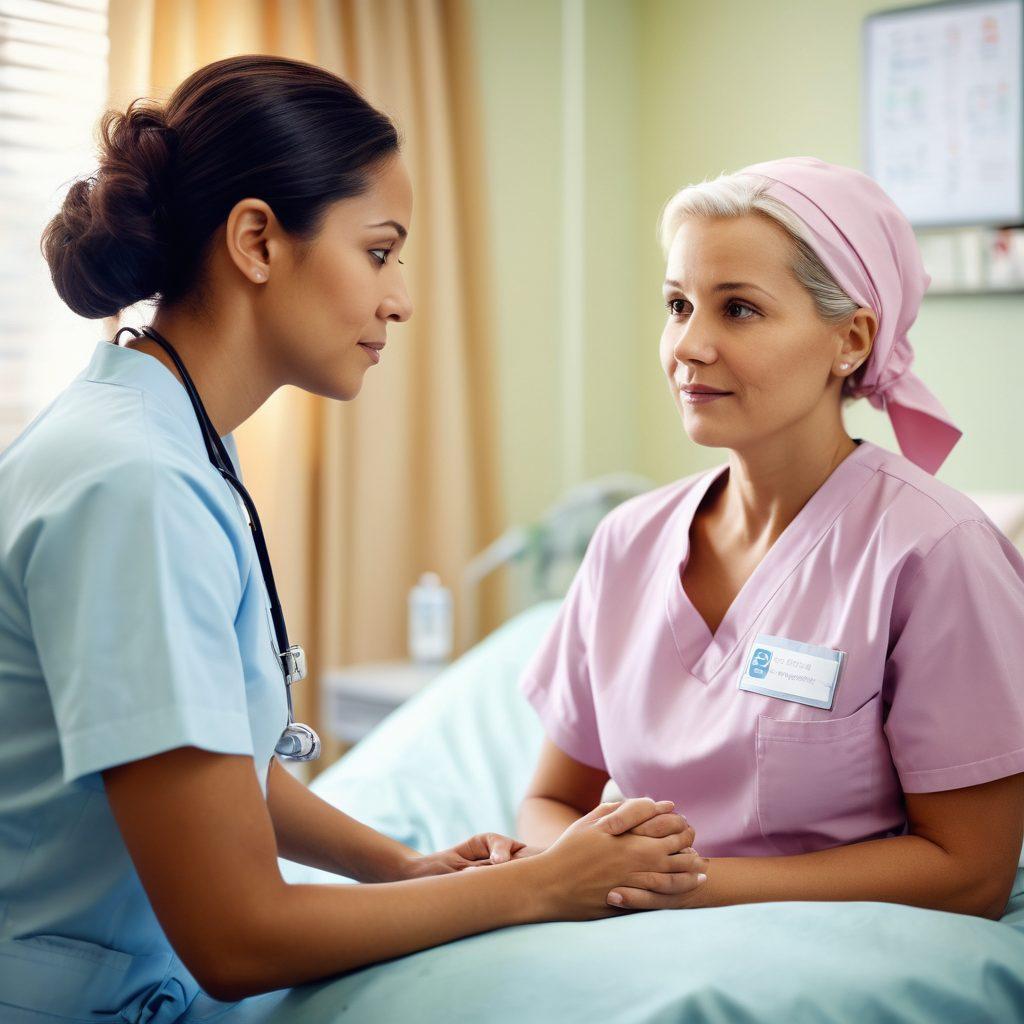
Navigating the maze of cancer can feel like venturing through a foggy terrain where each turn leads to new uncertainties. This is a journey that no one wants to embark on but, sadly, many must. When faced with a diagnosis of carcinoma, malignancy, or any form of cancer, the weight of fear and anxiety can be overwhelming. However, understanding your treatment options and having access to patient resources can illuminate your path through this darkness. So, let's dive into the world of oncology and explore the myriad of treatments and support networks available.
First things first—education is power. In the realm of cancer awareness, being informed about your specific cancer type and the available cancer treatments is crucial. Whether it’s understanding aggressive forms of tumor or familiarizing yourself with clinical trials, knowledge equips you to engage in discussions with your healthcare team. Have you ever considered that your doctor may not present all possible options? By actively seeking information through health blogs, medical journals, and patient advocacy organizations, you can better advocate for your own care and treatment options.
But knowledge alone isn’t enough; it’s vital to foster a holistic health approach. This includes considering lifestyle changes and wellness strategies beyond the confines of conventional treatments. As you explore preventive health options, remember that nutrition, exercise, and mental health are just as pivotal in the fight against cancer. Quote this in your mind: 'Your body is your most priceless possession; take care of it.' Have you thought about integrating mindfulness or yoga into your routine? Engaging in these lifestyle changes not only supports your physical health but also nurtures emotional resilience.
Equally important in this journey are the cancer support groups and cancer communities that surround you. Connecting with those who understand exactly what you’re facing can provide comfort and motivation. They’ve walked the same path, and their stories might offer you insights into what to expect from treatment, survivorship stories, or simply a shoulder to lean on. Have you considered joining a local cancer support group or participating in online forums? Sharing your experiences can be a powerful part of healing, helping others while also finding solace in their journey, creating a cycle of encouragement and hope.
Finally, never underestimate the power of advocacy. Cancer advocacy is a collective force that seeks to raise awareness and improve resources for those battling cancer. Every voice matters, whether through blogging for health or participating in advocacy campaigns. It’s more than just cancer research; it’s about creating a future where patients have access to comprehensive resources tailored to their needs. The more we all contribute to cancer awareness, the brighter that future becomes. How will you lend your voice to this vital cause? Together, we can change the dialogue surrounding diagnosis and treatment options, ensuring that no one navigates their cancer journey alone.
Uniting for Cure: The Power of Support Communities in Oncology
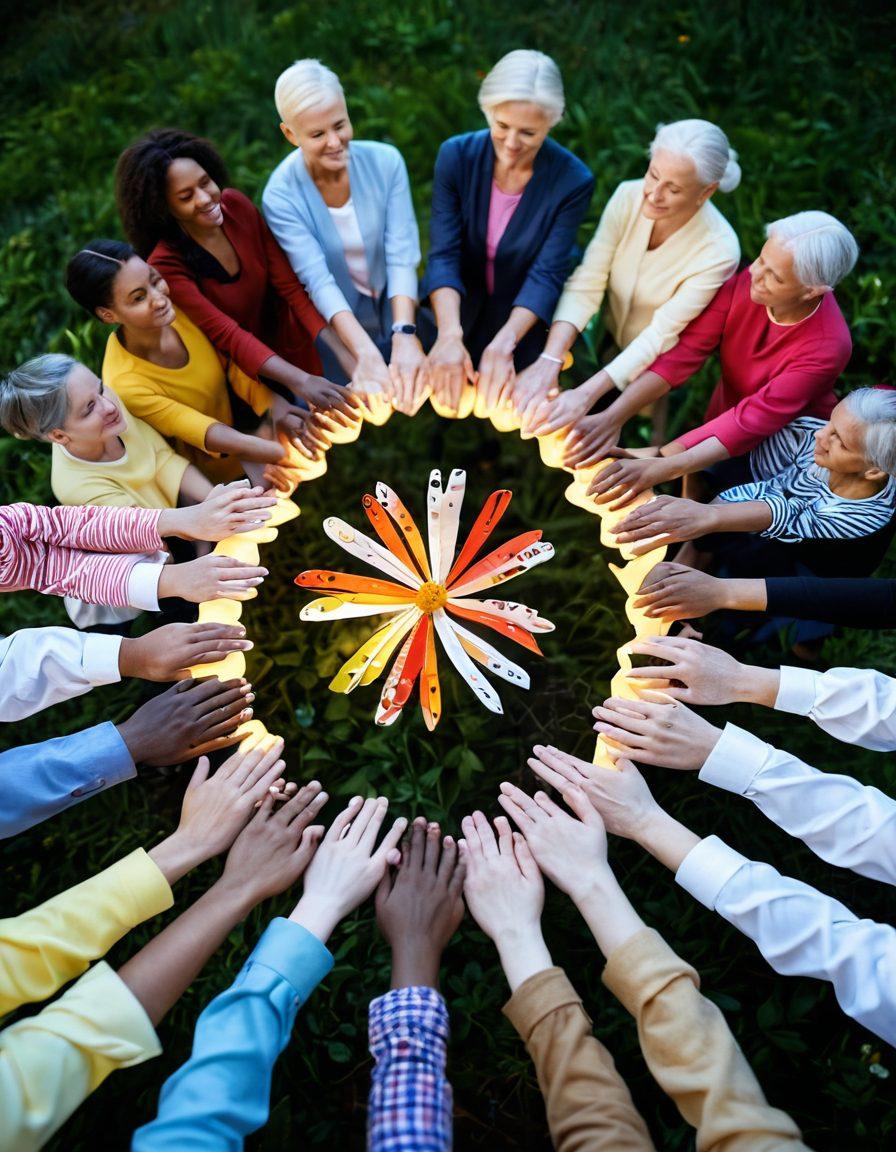
In the battle against malignancy, many patients quickly discover that they are not alone. The journey through oncology is often daunting, filled with countless appointments, treatments, and questions about cancer that may leave individuals feeling overwhelmed. Yet, one surprising beacon of hope shines brightly through this darkness: support communities. From the moment of diagnosis—whether it’s carcinoma, tumor, or another form of cancer—patients can find strength and solace in these networks. Have you ever wondered how much easier it might be to navigate your journey when surrounded by a compassionate community that truly understands your struggles?
Support communities serve as a lifeline for patients, offering not just emotional support but also practical patient resources. These groups often facilitate connections among individuals battling similar cancer types, fostering camaraderie and creating a shared sense of purpose. Imagine a circle of friendships where members share their learnings from clinical trials or findings from the latest medical journal! Their experiences can provide invaluable perspectives on treatment options—both standard cancer therapies and innovative approaches being explored in cancer research. By embracing this support system, patients can better advocate for their health education and take control of their wellness journey.
Cancer awareness is a critical component in these support groups, as members regularly engage in health information discussions. They might explore lifestyle changes known to bolster preventive health or exchange tips on navigating the healthcare system effectively. As members come together to share their stories, the group transforms into a space where insights and experiences blossom. Have you ever felt inspired by the courage of others? Many patients express that hearing stories from cancer survivors motivated them to push forward during their fight. Inspirational quotes often echo through these gatherings, reminding attendees: “Strength doesn’t come from what you can do. It comes from overcoming the things you once thought you couldn’t.”
The beauty of these communities lies not only in support but in education as well. They often host expert talks where oncologists discuss emerging cancer treatments or breakthroughs in cancer research. This is an opportunity for patients to elevate their understanding of their diagnosis, treatment options, and new therapies on the horizon. Empowered with this knowledge, they are better equipped to make informed decisions and participate actively in their treatment plans. What if you could talk directly to someone who has already navigated the turbulent waters of a cancer diagnosis? Wouldn't that make the journey feel a little less daunting?
Building a good network of support can significantly enhance survivorship. Patients often report feeling more optimistic and empowered after forming connections in cancer communities. And as you embark on this quest for healing, remember that you are not just a statistic—you are a warrior. As the health blog landscape continues to flourish, we encourage finding a space where you can share your struggles, victories, and fears. By uniting with others, you enhance your own growth while uplifting those around you. After all, in the words of Helen Keller, “Alone we can do so little; together we can do so much.”
Empowering Your Journey: From Diagnosis to Survivorship in Cancer Care
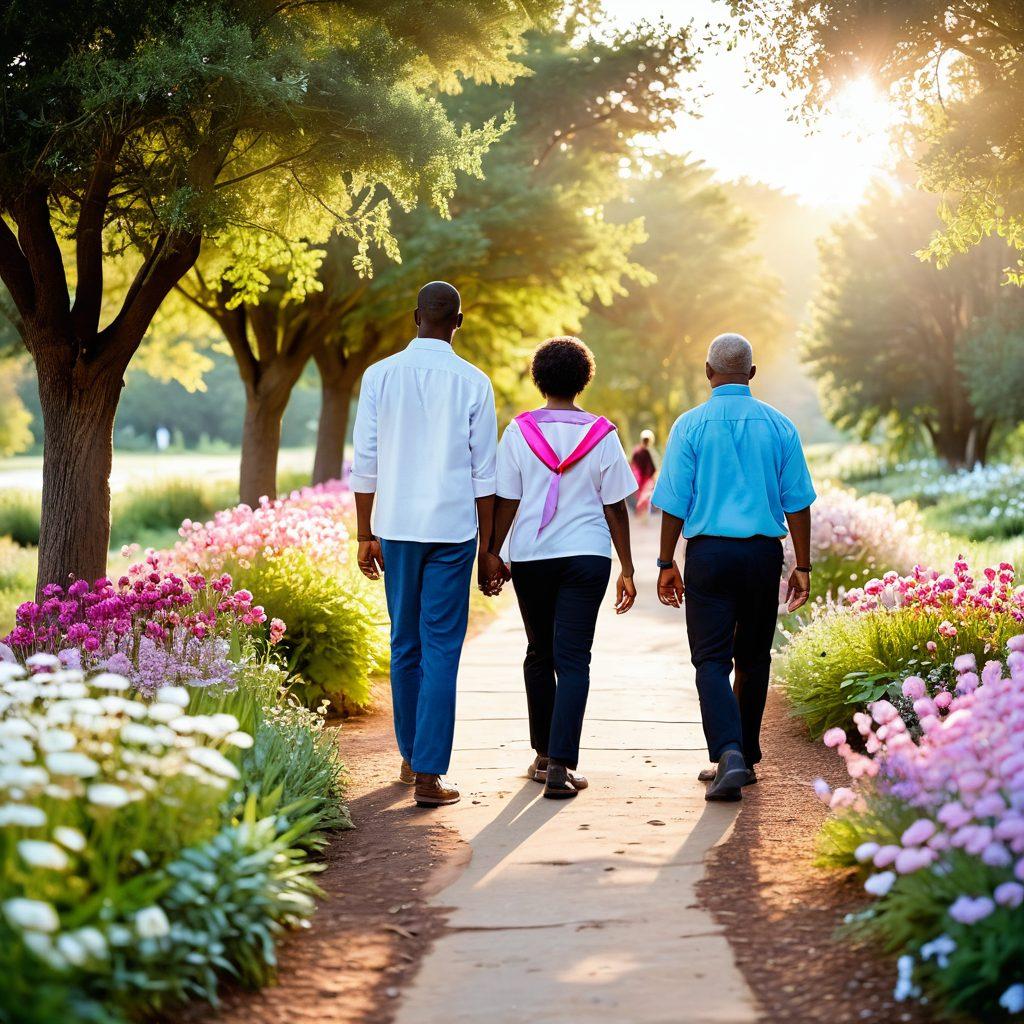
Navigating the stormy seas of a cancer diagnosis can feel like being lost at sea. The moment the words 'malignancy' or 'carcinoma' are uttered, waves of fear and anxiety often wash over you. Yet, within this overwhelming tidal wave, there lies an opportunity for empowerment. Understanding your journey—from diagnosis to survivorship—is vital in making informed decisions about your oncology treatment options. What if you could take back control and walk the path of recovery with confidence?
It's crucial to first grasp the nature of cancer and its various types, ranging from breast cancer to the many forms of tumor classifications. Each cancer type presents its own set of challenges and treatment options. However, aided by advancements in cancer research, patients today are empowered with a wealth of information through patient resources and medical journals. As you educate yourself on oncological therapies, consider this: how much do you really know about your own diagnosis? Becoming informed can transform a daunting experience into an active, engaged journey in your health care.
The emotional and physical strain of cancer can feel isolating; that's where the power of community comes into play. Joining cancer support groups or engaging with the cancer community can illuminate your path to survivorship. Finding comfort among 'winning warriors'—others who have faced similar struggles—can provide the validation and encouragement you need. What's the one question you would ask another survivor if you could? Her stories may hold the key to strategies for holistic health and lifestyle changes that could enhance your wellness.
Incorporating preventive health strategies into your life after a diagnosis can bolster both your mental and physical health. Whether through nutrition adjustments, exercise, or stress management techniques, lifestyle changes can significantly impact your treatment outcomes. The journey doesn’t end after surgery or treatment; there's an entire life to reclaim. So, what small change can you make today that would support your health and well-being in the long run?
Lastly, remember that your voice matters. Patient advocacy is essential in cancer care and can drive change not only in your own treatment but in the lives of others within the cancer community. Engage with cancer awareness initiatives, contribute to health blogs, or delve into clinical trials to understand the latest medical news. Every step taken toward advocacy can empower not just your journey, but that of others traveling the same path. The advent of daserste media and other platforms makes sharing these experiences easier than ever. So the ultimate question looms: how will your journey inspire the next person faced with the disconnect between information and empowerment?